Why high end rims matter
High end rims do more than complete the look of a luxury car. They influence stance, handling feel, brake clearance, tire choice, and the overall character of the vehicle. For owners of Ferrari, Maserati, Lamborghini, Bentley, and similar performance or prestige models, wheels are one of the most visible and functional parts of the car. A well-matched set can make a car look factory-correct, more aggressive, more refined, or simply better preserved.
The challenge is that luxury-car wheels are rarely simple purchases. Fitment must be exact, finishes need to match the vehicle’s design language, and the wrong offset or diameter can create clearance problems that affect both appearance and drivability. Buyers also need to consider whether they want original equipment wheels, aftermarket designs, replacement single rims, or a full matching set. This is where used luxury-car parts can become especially relevant, because high end rims from dismantled vehicles may offer a way to source authentic components without automatically defaulting to new retail pricing.
What defines premium wheels
High end rims are usually defined by a combination of design, engineering, material quality, brand fitment, and condition. On a luxury or exotic car, a wheel is not just a round component that holds a tire. It is part of the car’s visual identity and mechanical package. The wheel must support the correct tire size, clear the braking system, align with suspension geometry, and preserve the intended driving feel.
Materials are a major factor. Many premium wheels are made from aluminum alloy, while certain performance-focused options use forged construction to reduce weight and increase strength. Some designs include carbon fiber elements or multi-piece construction, though those features vary widely by model and application. A lighter wheel can improve response, but the best choice depends on the vehicle, the intended use, and whether originality or performance is the top priority.
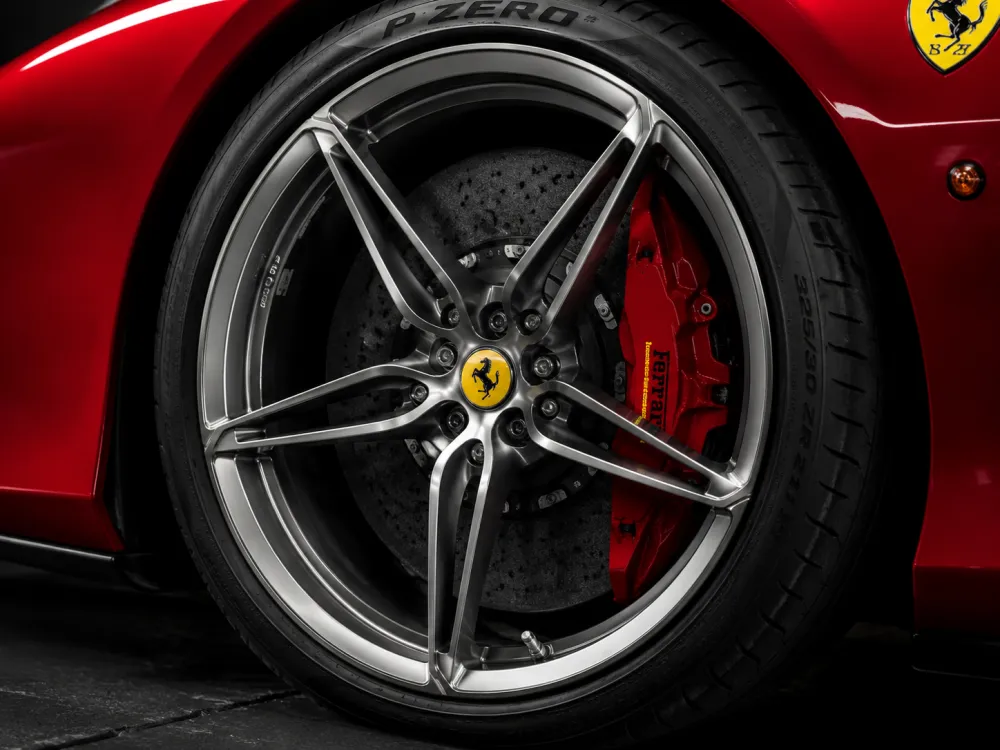
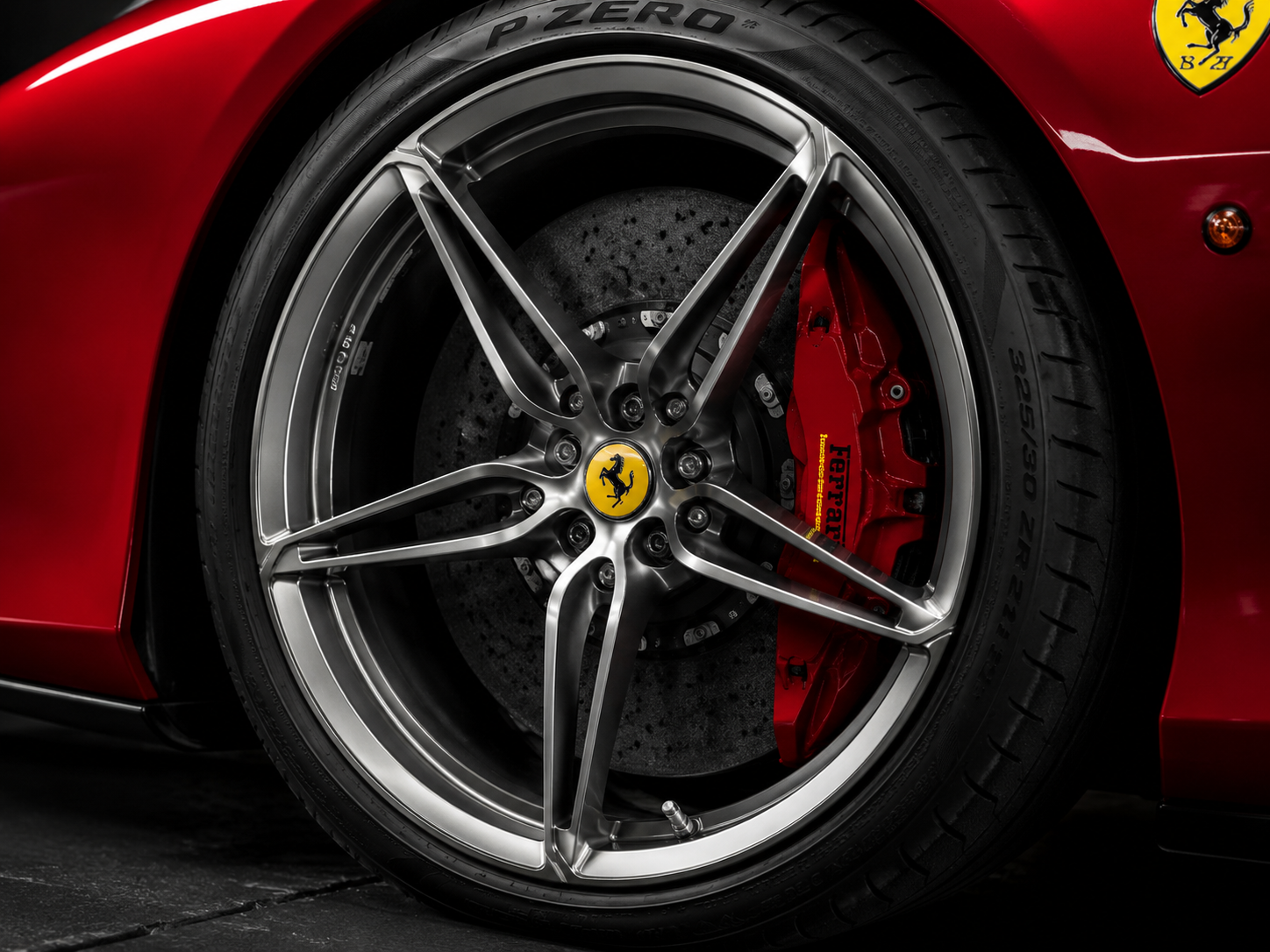
Finish is equally important. Gloss black, satin silver, diamond-cut, polished, dark chrome, and machined finishes can completely change how the same vehicle presents itself. A Ferrari may look sharper with a motorsport-inspired wheel, while a Bentley may benefit from a more elegant multi-spoke design. A Lamborghini often suits bold, angular rims, while a Maserati can sit comfortably between performance and grand-touring refinement. Buyers browsing luxury-car part categories should think about wheels as both a technical part and a design decision.
Fitment details buyers should check
Before buying high end rims, fitment should be checked carefully. The key measurements include diameter, width, bolt pattern, offset, center bore, and brake clearance. Tire size matters too, because a wheel that physically bolts onto a car may still be unsuitable if the tire profile causes rubbing, speedometer variation, or poor ride quality. On performance cars, front and rear wheel sizes may also be staggered, meaning the rear wheels are wider than the front wheels.
Diameter and width
Wheel diameter changes the look of the car and affects tire sidewall height. Larger rims often create a more dramatic stance, but they may reduce ride comfort if the tire sidewall becomes too thin. Width affects tire contact patch and clearance. On luxury performance models, the correct width is especially important because the suspension, bodywork, and braking system may leave little room for error.
Offset and clearance
Offset determines how far the wheel sits inward or outward from the hub. Too aggressive an offset can push the rim outward and cause rubbing against the fender. Too conservative an offset can move the wheel inward and create clearance issues with suspension or brakes. For high end rims, this is one of the most important details because the visual stance and mechanical compatibility both depend on it.
Brake clearance should never be assumed. Many exotic and luxury vehicles use large brake calipers, and carbon-ceramic brake systems can require specific wheel designs. Even when diameter seems correct, spoke shape may interfere with the caliper. This is one reason buyers often look for wheels originally fitted to the same brand or model family. For example, shoppers focused on Ferrari parts can start with the Ferrari parts section, while Maserati owners may prefer to explore Maserati parts for more brand-relevant options.
Used oem rims versus aftermarket options
There are two common paths when buying high end rims: original equipment manufacturer wheels or aftermarket wheels. OEM wheels are designed for the vehicle or model range by the manufacturer or its approved suppliers. They can be valuable for owners who want factory-correct styling, predictable fitment, and a look that stays true to the car’s original design.
Aftermarket wheels can provide more freedom. They may offer lighter construction, more aggressive designs, special finishes, or uncommon sizes. For some builds, that flexibility is exactly the point. However, aftermarket wheels require careful research. Load rating, hub fitment, offset, bolt pattern, and brake clearance all need to match the car properly. A wheel that looks right in photos may not be ideal once mounted, especially on low-clearance luxury or performance vehicles.
Used OEM high end rims can be a practical middle ground for many buyers. They may help preserve factory appearance while still giving access to premium wheel designs that are difficult to find new. For repair shops, body shops, exporters, and resellers, used OEM wheels can also be useful when replacing one damaged rim or completing a set for a customer vehicle. The key is to evaluate condition carefully and confirm that the wheel is suitable for the exact application.
Condition checks before purchase
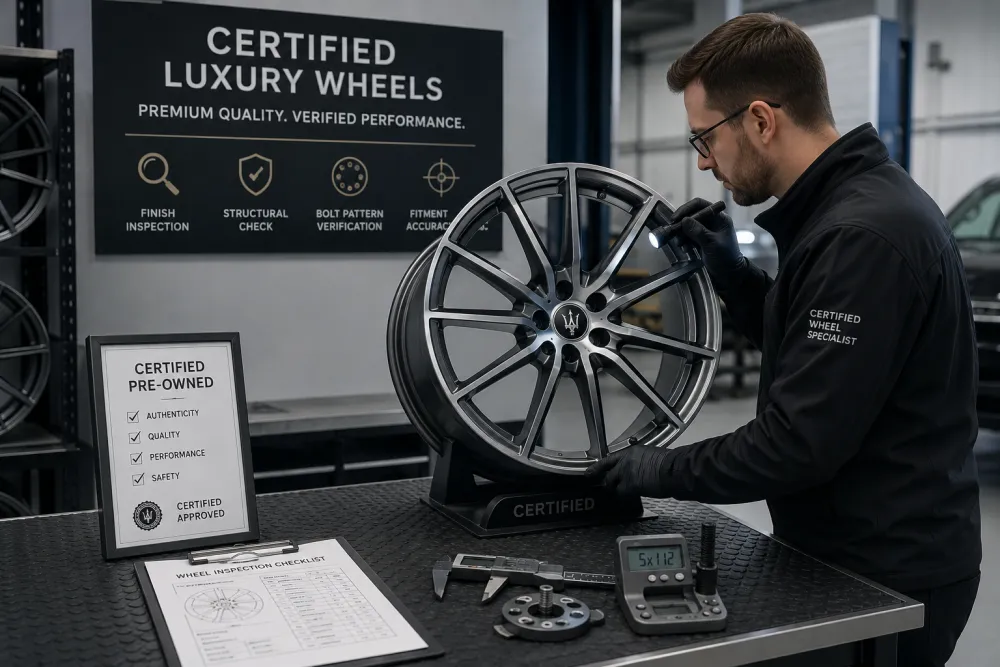
Condition matters as much as style. High end rims should be inspected for cracks, bends, corrosion, curb rash, repainting, previous repairs, and uneven wear marks. Cosmetic damage may be acceptable depending on the buyer’s plan, especially if the wheel will be refinished, but structural issues are a different matter. A bent or cracked rim can affect balance, tire sealing, and safety.
Photos should show the front face, inner barrel, mounting surface, bolt holes, and any markings that identify size or part number. The inner barrel is particularly important because damage may be hidden when the wheel is mounted on a vehicle. Buyers should also consider whether they need a single rim, a matched pair, or a full set. Matching finish and design can be harder than expected, especially when dealing with limited-production luxury-car wheels.
For buyers comparing high end rims across multiple brands, it can help to browse available luxury-part categories and dismantled vehicle inventory. A dismantled vehicle can provide context because parts from the same vehicle may share compatible finishes, model-year details, and factory specifications. You can review relevant inventory through dismantled vehicles or search directly for wheel-related listings using high end rims.
Brand style considerations
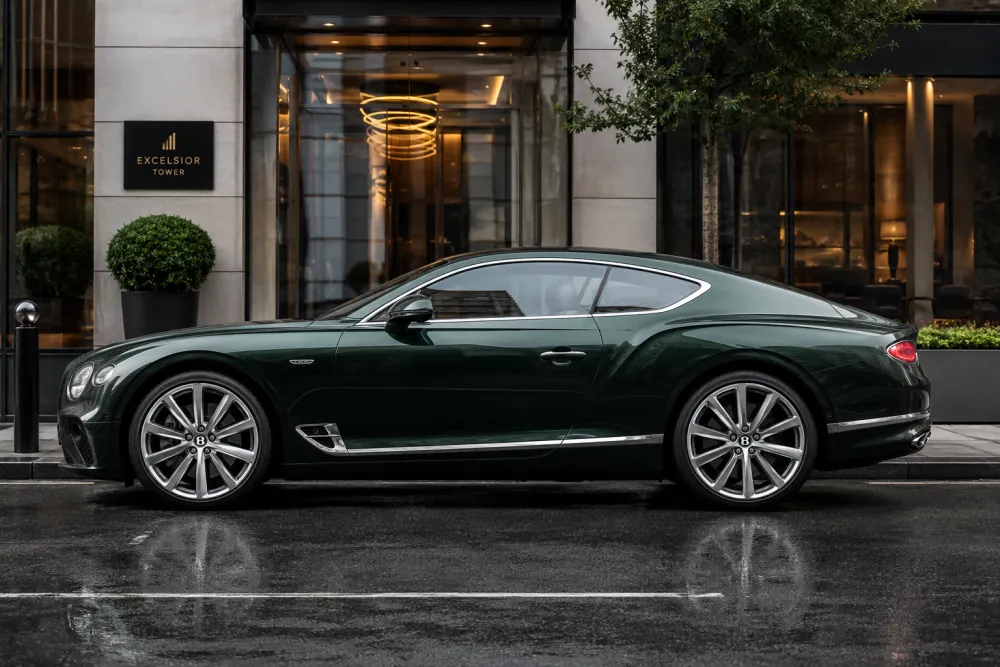
Different luxury brands have different wheel personalities. Ferrari wheels often lean toward motorsport influence, with designs that highlight brake systems and performance proportions. Lamborghini wheels tend to be more angular and dramatic, matching the sharp body language of the cars. Maserati wheels frequently combine sportiness with grand-touring elegance, while Bentley wheels often emphasize presence, refinement, and a more substantial luxury stance.
This matters because high end rims should feel natural on the vehicle. A wheel can be expensive and well-made but still look wrong if the design language clashes with the car. For a Lamborghini, a bold split-spoke design might feel appropriate, while a Bentley may call for a more polished and architectural pattern. Buyers focused on these marques can browse Lamborghini parts or Bentley parts to keep the search aligned with the vehicle’s identity.
Choosing rims for b2c and b2b needs
Private buyers and trade buyers often evaluate high end rims differently. A B2C buyer may care most about restoring a personal car, replacing a damaged wheel, improving curb appeal, or preserving the feeling of owning something special. For that buyer, design, finish, and confidence in fitment can matter as much as price. The wheel is part of the ownership experience, and the right set can make the car feel complete again.
B2B buyers may take a broader view. A repair facility may need a correct replacement rim to finish a customer job. A dealer may need wheels that help prepare a vehicle for resale. A dismantler, exporter, or parts reseller may need inventory that fits recognizable luxury models and has clear demand. In these cases, the best wheel is not always the most dramatic one. It is the one with verifiable fitment, usable condition, and a buyer base that understands its value.
For both groups, documentation and compatibility checks are essential. Part numbers, wheel dimensions, vehicle model, production year, and visible condition all help reduce uncertainty. High end rims can represent a meaningful investment, so the buying process should balance aspiration with discipline. The goal is not just to find wheels that look impressive, but to find wheels that belong on the car and support the way it will be driven, repaired, shown, or resold.
Final buying thoughts
High end rims sit at the intersection of style, engineering, and vehicle value. They can refresh the look of a luxury car, support factory-correct restoration, or help complete a professional repair. The best results come from checking fitment carefully, comparing condition honestly, and choosing a design that respects the brand and model.
Whether you are replacing one damaged wheel or sourcing a complete set, take time to verify the details before purchase. Diameter, width, offset, bolt pattern, brake clearance, finish, and structural condition all matter. For buyers comparing used luxury-car components, start with relevant parts categories, browse brand-specific inventory, or contact Spares USA with fitment questions before making a decision.